

Key takeaways:
- Portable generators are an affordable and convenient way to power essential things during an outage.
- It’s important to follow a few safety rules to avoid the hazards associated with portable generators.
- W3 Electric can help you use a portable generator safely.
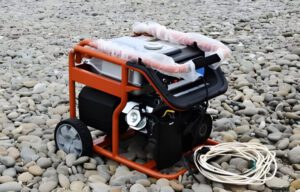
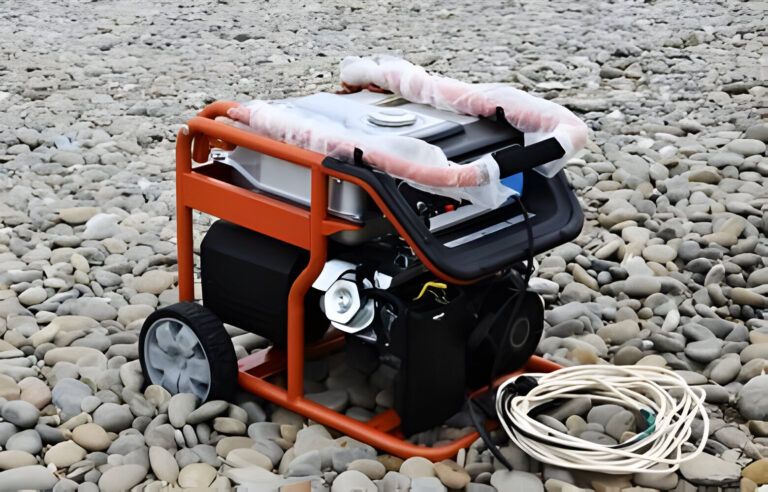
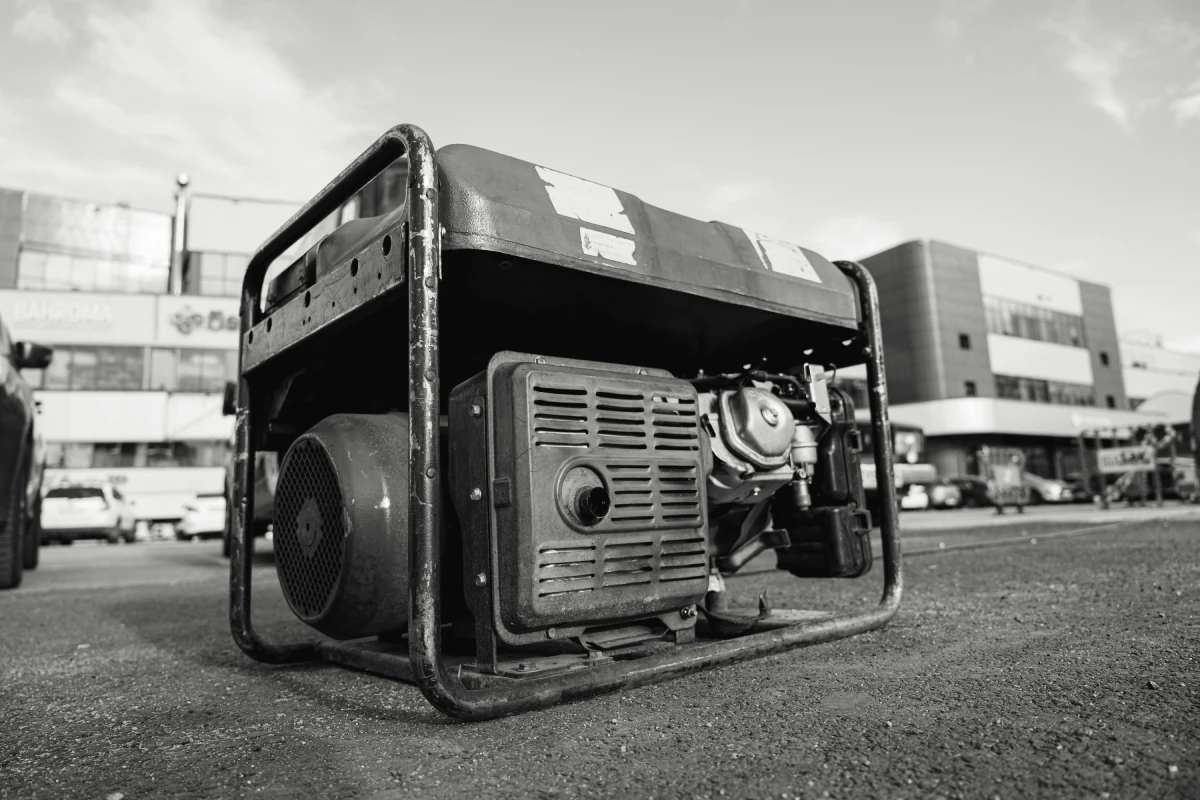
Portable generators are a cost-effective way to keep the lights on during an outage, but there are a few rules you should follow to stay safe.
As we head toward storm season in Rowlett, TX, we wanted to remind everyone of a few simple safety rules when operating portable generators.
Rule #1: Never Use a Portable Generator Indoors
Gasoline is the most common fuel type for portable generators, but you can also find diesel and even LP models.
If you have a gasoline- or diesel-powered model, your portable generator will produce carbon monoxide and other dangerous gases (just like a car’s exhaust). Running your portable generator indoors isn’t safe because the gases it produces can build up and become lethal. You should never run a generator indoors, even if you can open the windows or the garage door.
Instead, set up your portable generator at least 20 feet away from your home, and point the exhaust away from dwellings.
Rule #2: Don’t Overload Your Generator
Portable generators typically have a capacity of 3,000 to 7,500 watts, with some heavy-duty models reaching 10,000 watts.
It means you can’t power your entire home on a portable generator. A small model might power a couple of basic cooking appliances or a space heater, while larger generators can produce enough energy for your fridge and maybe even your AC unit.
Be mindful of how much power you’re using and avoid running your generator at or near its maximum capacity. If you need more power than that, you’ll have to look into a whole-home generator.
Rule #3: Don’t Plug In Sensitive Electronics Unless You Have an Inverter Feature
The voltage of the power produced by your generator can spike. This isn’t an issue if your generator has a built-in inverter, since the inverter will regulate voltage and protect electronics and appliances from voltage fluctuations.
However, not all generators have a built-in inverter. If the model you use lacks this feature, avoid plugging in electronics since a voltage spike could fry them.
Rule #4: Be Careful With Extension Cords
Running your portable generator at least 20 feet from your home means you’ll need to use extension cords.
You should use heavy-duty extension cords rated to carry the wattage your generator can create. Using an underrated cord can cause it to overheat and malfunction.
Your extension cords should also be properly grounded (they’ll have three prongs if they are). You should also inspect extension cords to look for signs of damage, and you shouldn’t use a cord that is cut or frayed.
Rule #5: Consider Professional Installation
Portable generators are easy to operate. You can set up your generator, add fuel, and connect an extension cord without involving a licensed electrician.
However, it’s best to schedule a professional installation for the following use cases:
- You’re not sure how to ground your portable generator. For safety, your generator’s grounding terminal should be connected to a rod that goes into the ground. The user manual should include instructions on how to do this, but if you’re not sure, call an electrician.
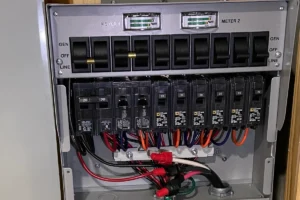
- You want to power appliances that won’t connect to an extension cord. Examples include your lighting or your HVAC systems. A licensed electrician can create a direct connection so your portable generator can safely power these systems.
If you’re in Rowlett, W3 Electric can help with safe portable generator installation.
Need Backup Power in Rowlett, TX?
Spring storms can be intense in Rowlett, and homeowners must also prepare for extreme weather events like tornadoes.
Looking into backup power is a smart move. For those on a budget, a portable generator can be a great way to keep essentials powered if the grid goes down.
If you’re curious about portable generators or need a direct connection to your home’s electrical systems, W3 Electric can help. Give us a call at 972-793-0733 or schedule a service call online to explore your backup power options.
FAQ
Is it ever safe to run a portable generator indoors or in a garage?
No, you should never use a portable generator indoors, in garages, or near windows and doors, even if they’re open. Portable generators produce carbon monoxide, which can build up quickly and become deadly. Always operate your generator at least 20 feet from your home, with the exhaust facing away from your home.
How far should my portable generator be from my house?
Place your generator at least 20 feet away from your home. If possible, increase that distance and ensure exhaust fumes are directed away from doors, windows, and vents to reduce the risk of carbon monoxide entering your home.
Can I run my whole house on a portable generator?
Portable generators aren’t designed to power an entire home. They’re best for essential appliances like refrigerators, lights, or small cooking devices. Whole-home power typically requires a standby generator.