

Key takeaways:
- A backup generator is a reliable way to keep your Dallas home powered during summertime outages.
- It’s important to consider factors such as fuel type and generator capacity when planning backup power.
- W3 Electric can help you make the right choice with customized installations.
Between summer storms and the local grid straining to keep up with AC system demand, power outages are becoming more frequent in the Dallas area. Looking into adding backup power to your home makes sense.
Let’s take a closer look at generator installation in Dallas and the options available to you.
What Makes Whole-Home Generators More Reliable Than Portable Models?
Whole-home generators come with a higher price tag and a more complex installation process compared to portable models.
However, they’re a much more reliable form of backup power:
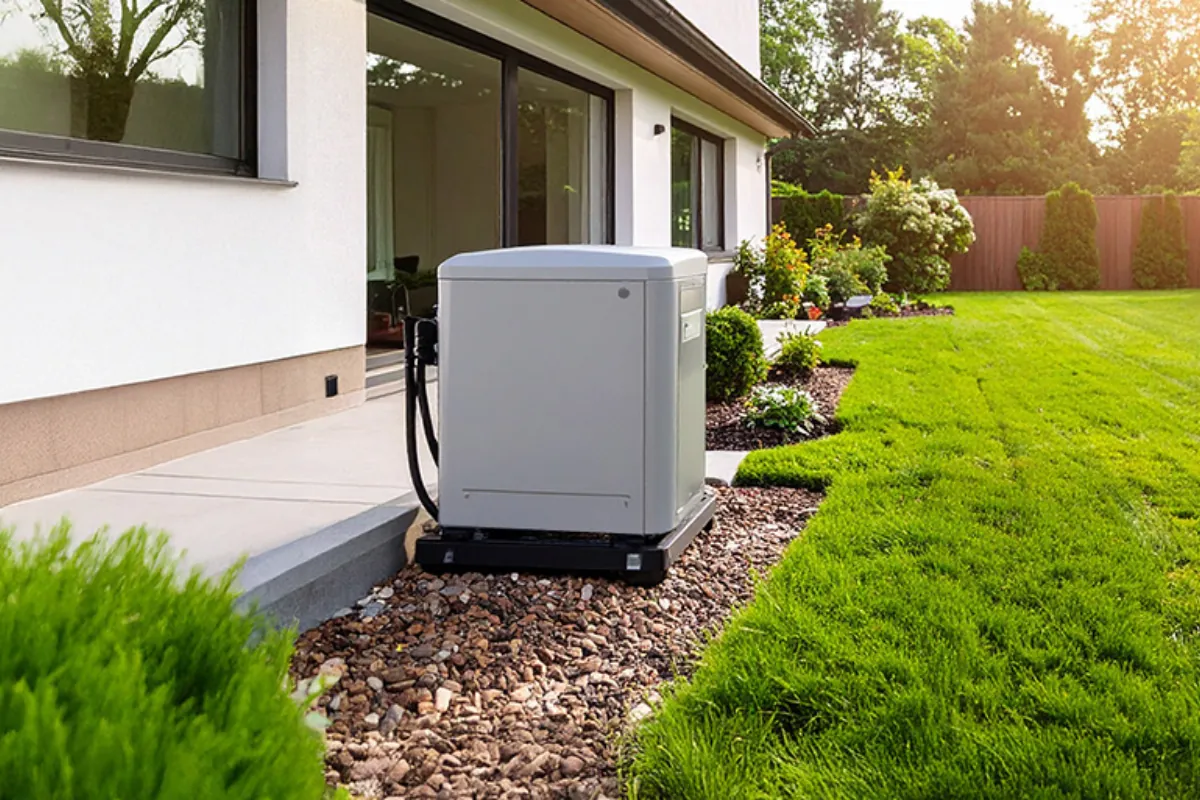
- Whole-home generators come with transfer switches that automatically start the generator when the power goes out. There are no interruptions for the essential circuits that the generator powers.
- You don’t have to worry about carbon monoxide buildups. Whole-home generators are installed outside, and you must follow a few safety rules for an ideal placement.
- These standby generators have a higher capacity than portable models and can power your HVAC, refrigerator, and medical devices.
Investing in a whole-home generator also adds value to your property. You can think of it as a long-term investment that will provide you with peace of mind when the power goes out, and that will also pay off if you ever decide to sell your home.
What Are the Different Types of Fuel for Whole-Home Generators?
Standby generators can run on different types of fuel. The best option depends on what’s available on your property:
- Natural gas generators are a popular option. An installer can connect your generator to a gas line and run it on the gas supplied by your local utility.
- Propane is a great alternative if you can’t add a gas line to your property. You’ll have to store propane in a tank to power your generator.
- Diesel models are less common for residential use. They’re more viable in commercial settings because diesel is more cost-effective for heavy-duty usage.
- You can also find dual-fuel generators. At the residential level, these generators typically allow you to switch between natural gas and propane for a more flexible setup.
A licensed electrician specializing in generator installations can discuss these options with you and help you determine which makes the most sense for your needs and budget.
Understanding Residential Generator Sizes
Generator sizes are measured in kilowatts (kW). The higher the kilowatt rating of a generator is, the more appliances you can power with it at the same time. A generator with a higher kilowatt capacity will also use more fuel as you power more things with it.
Whole-home generators typically range from 10 to 60 kW:
- The smaller models (10 to 20kW) cost less, but they only power a few key appliances, such as a fridge or medical equipment.
- A generator with 20kW or more is ideal if you want to run your AC system on it, since your AC unit can draw a lot of power during startup.
- The larger models (50 to 60 kW) can comfortably run your entire home without worrying about shutting off non-essential circuits.
The best way to figure out the ideal generator capacity for your home is to have an electrician conduct a load assessment. They’ll review how much power the appliances you need during an outage will draw and recommend a generator capacity that makes sense for you.
Trusted Generator Installation in Dallas With W3 Electric
When adding a backup generator to your home, make sure you work with a licensed installer who will follow all local building and electrical codes. They’ll handle the entire process, from pulling a permit with the City of Dallas to scheduling the final inspection.
At W3 Electric, we offer customized standby generator installations. We understand everyone has different needs during power outages, which is why we take the time to design a backup power solution tailored to your home’s size, energy usage, and comfort preferences.
Give us a call at 972-793-0733 or contact us online to learn more about backup power solutions for your Dallas home.
FAQ
Do I need a permit for a generator installation in Dallas?
Yes, the City of Dallas requires electrical and building permits, which your licensed installer will obtain and coordinate for inspection approval.
What size generator do I need for my home?
The right size depends on your home’s energy usage and which appliances you want to power. A professional load assessment can determine the best fit.
How often do generators need maintenance?
Most standby generators need yearly service and oil changes. Regular inspections help ensure the system starts instantly when power is lost.
Will a generator increase my home’s value in Dallas?
Yes, a reliable, professionally installed generator can add property value and make your home more appealing to potential buyers.