

Key takeaways:
- Whole-home generator installations require a transfer switch for safety reasons.
- A smart transfer switch can automatically get your generator online when the power goes out.
- W3 Electric can install a code-compliant generator and transfer switch to protect your home or businesses from power outages.
If you’re looking into getting a generator installed for your home, you’re likely running into electricians talking about transfer switches.
You might be wondering what a transfer switch is, and whether you really need one as part of your generator installation project. Read on for some answers to these common questions.
What Is a Transfer Switch for a Generator?
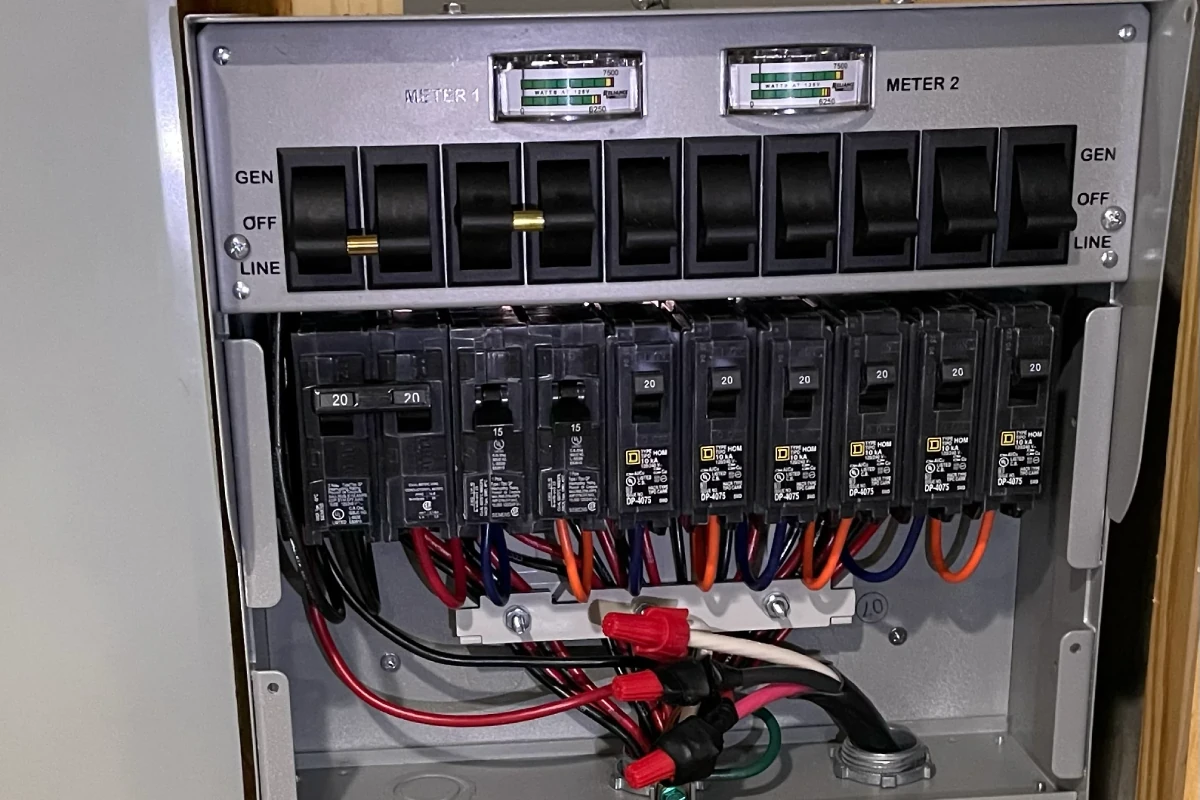
A transfer switch is a small device that an electrician connects to your main electrical panel. Here’s what it does:
- By default, the power switch allows your electrical panel to draw power from the main grid.
- When this device is activated, it switches the power source for your main panel, so it draws power from your generator.
While you can operate a power switch manually, you can get a smart model that will automatically switch to generator power when it detects an outage. Some transfer switches are also programmable, which is great if you want to switch to generator power during peak hours when grid electricity becomes more expensive.
Do You Need a Transfer Switch?
You need a transfer switch as part of your whole-home generator setup for several reasons.
Security and Code Compliance
When installing a whole-home generator, you need to follow strict safety requirements outlined in the National Electrical Code and in local building codes.
These codes require your generator to have a disconnect switch in case of an emergency. A transfer switch acts as an emergency disconnect switch and fulfills this requirement.
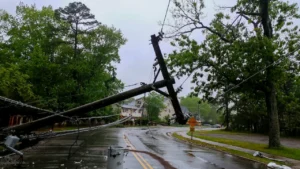
Your transfer switch also prevents the generator from backfeeding into the power grid. It’s something a poorly installed generator can do, and it poses a lethal risk to utility workers handling the power outage.
Convenience and Limiting Interruptions
You can start your generator manually when the power goes out, but it’s much easier to have a transfer switch automatically activate your backup power solution
That way, you won’t have to worry about interruptions. Your generator will take over even if you’re not home to flip the switch, which can be handy if you’re powering medical equipment, your fridge, your AC unit, or other important things.
Sending Power to Your Panel
A transfer switch also allows your backup generator to send power through your main panel rather than being connected directly to specific circuits or appliances.
It means you can use your generator to power appliances you can’t connect to an extension cord, like your furnace or AC unit. And with a load management device, you can choose which circuits your generator powers first.
How Do Electricians Install Transfer Switches?
An electrician can install a transfer switch indoors or outdoors. They will pick a spot that is easy to access since this switch doubles as an emergency disconnect for your generator. The switch will usually be placed near your main electrical panel.
Your electrician will safely wire the transfer switch to your generator, your electric panel, and the main service line bringing power from the grid into your home. It’s usually something they can do at the same time as they install your whole-home backup generator.
Schedule Your Generator and Transfer Switch Installation With W3 Electric
If you’re looking into adding a backup generator to your home, you’ll need a transfer switch for a safe and compliant installation. You should consider getting a smart or programmable transfer switch to customize your backup power system.
At W3 Electric, we specialize in installing whole-home generators and transfer switches. We’re here to plan the entire project, from pulling the necessary permits to conducting the final tests.
Contact us at 972-793-0733 to learn more about our generator and transfer switch installation services.
FAQ
What is a transfer switch?
A transfer switch is a device that allows your electric panel to draw power from the main grid or from a generator.
Do I really need a transfer switch for my generator?
Yes, you need a transfer switch for safety and compliance. According to the National Electrical Code, your backup generator needs an emergency disconnect switch, which is what your transfer switch provides. It also prevents your generator from backfeeding into power lines during an outage.
What’s the difference between a manual and an automatic transfer switch?
If you have a manual switch, you’ll have to flip the switch yourself to activate your generator. With an automatic transfer switch (ATS), the switch will detect an outage and bring your generator online.
Can I install a transfer switch myself?
No, installing a transfer switch yourself is dangerous. It’s best to have a licensed electrician wire your transfer switch for a safe, compliant installation.