


Key takeaways:
- Texas homes face more power surges in August because of high AC use and stormy weather.
- Whole-home surge protectors protect your entire electrical system, not just single devices.
- A surge protector installation is a simple electrical upgrade that can save you money and stress.
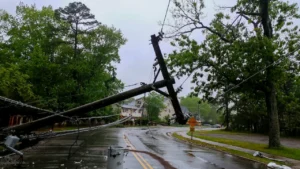
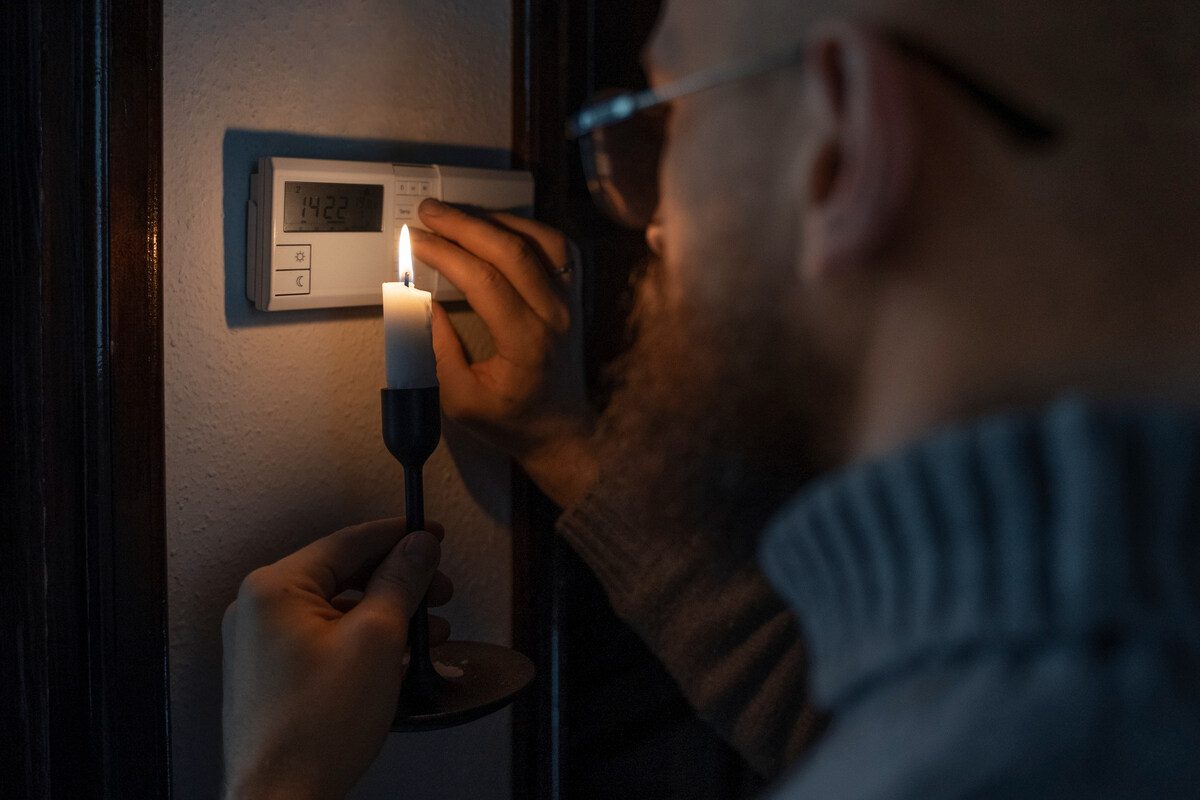
Summer storms can quickly turn into severe weather events in Texas and threaten your electrical infrastructure, with lightning strikes increasing the risk of power surges.
These dangerous surges can also happen when the grid is feeling the strain of high AC usage. A single surge can cause thousands of dollars in damage in a flash, frying your appliances and even your wiring.
The good news is that you can keep your home safe with surge protector installation.
Why August Is Peak Surge Season in Texas
Power surges are more likely to happen in the summer for two main reasons.
When temperatures rise, families across Texas crank up their air conditioners. This high demand puts the electrical grid in overdrive. The strain increases the chance of brownouts and quick power restores, which can cause surges.
Add to that the severe storms that sweep across Texas in the summer, and the odds of a damaging power spike go way up. Most surge events happen without warning. You might not even notice them until your electrical circuits go on the fritz.
There are unique risks to consider for homes in Texas:
- In Dallas and nearby suburbs, many neighborhoods have power lines above ground, which are more vulnerable to lightning or falling branches.
- Many homes were built over the past decade (and before that). These houses don’t meet the latest electrical code requirements for surge protection.
- Modern homes have more electronics, including TVs, computers, smart home products, and even HVAC systems. These devices are sensitive to even small surges.
A single surge can ruin an appliance in seconds. Some surges are tiny and only do a small amount of damage, but this can add up over time and damage your wiring or appliances.
How Do Whole-Home Surge Protectors Work?
A whole-house surge protector keeps your entire electrical system safe from sudden spikes. Unlike those single-outlet power strips with surge protection, these units go right next to or inside your home’s electrical panel. When the voltage jumps beyond a safe level, the surge protector immediately redirects the extra electricity safely into the ground. This keeps it from reaching your outlets and appliances.
People sometimes think a plug-in strip does the same thing. That’s a mistake. Those strips do help, but only for devices plugged into them, and their limits make them less reliable when surges strike the whole house.
There are several benefits to adding a whole-home surge protector to your panel:
- It shields every outlet and device connected to your system, from your washer to your thermostat.
- Units often last 5 to 10 years, so they keep working long after a basic power strip wears out.
- The upfront cost, typically $300 to $500 for equipment and professional installation, is very affordable compared to what replacing an appliance or paying for electrical repairs would cost.
- Texas uses the 2023 version of the National Electrical Code, which calls for adding surge protection to panels.
Besides bringing your home up to code, upgrading your panel with a surge protector prevents issues with your homeowner’s insurance. Insurers are more careful about electrical compliance and can refuse to renew your policy or even dispute a claim if your home doesn’t follow the 2023 NEC requirements regarding surge protectors.
Signs Your Texas Home Is at Risk (and When to Call W3 Electric)
Watch out for these warning signs of electrical problems:
- Lights flicker or dim during storms or for no clear reason.
- You notice your circuit breakers trip more often, or they won’t reset easily.
- Devices, especially sensitive electronics, reset by themselves or don’t power up like they used to.
Older homes in Texas often lack surge protection. Many have panels that have never seen an upgrade for today’s tech-packed world. If your home hasn’t been checked in years, you can’t be sure you’re safe.
For a few hundred dollars, you can avoid the headache and cost of replacing appliances, electronics, and even parts of your wiring. Even a single TV, laptop, or fridge can cost more than the installation itself.
W3 Electric uses licensed, experienced electricians who know how to secure your home. We guarantee quality surge protector installation, making your home safe for the next summer storm.
If you live in Dallas or nearby areas like Rowlett, Rockwall, or McKinney, don’t let another August go by without surge protection. We at W3 Electric offer upfront pricing and fast scheduling, so you know what you’ll pay and when we’ll be there. Our crew works quickly and safely, treating your home like we would our own.
Contact us now at 972-793-0733 to schedule your surge protector installation.
FAQ
How do whole-home surge protectors work?
Whole-home surge protectors are installed on your electrical panel and redirect excess voltage away from your home during a power surge. This prevents harmful electricity spikes from damaging your appliances and electronics.
How much does it cost to install a surge protector in Rowlett?
Most whole-house surge protector installations cost between $300 and $500, including professional labor. The exact price depends on your electrical panel and any needed upgrades.
Do I need surge protection if I have plug-in strips?
Plug-in strips only protect what you plug into them. They won’t do any good if a major power surge hits your home and damages your whole electrical system or any hard-wired devices. A whole-home protector gives better security for your entire house.
What are the warning signs that I need surge protection?
Flickering lights, tripped breakers, or devices that reset on their own all signal a possible issue. Homes more than 10 years old or those with frequent outages also need extra protection.
Can surge protectors help lower my insurance costs?
Some insurance companies offer discounts for adding a whole-house surge protector. Check with your agent to see if you qualify.