


Bidirectional charging is one of the most talked-about technologies in the residential energy market in Texas. As Texas homeowners continue investing in electric vehicles, solar panels, and backup energy systems, Texans are exploring how their EVs can do more than simply drive from place to place.
Instead of only drawing electricity from the grid, some electric vehicles send power back into a home or even back into the utility system. This technology, known as bidirectional charging, is changing how homeowners think about energy.
According to EnergySage, bidirectional charging allows compatible EVs to act like mobile battery storage systems, creating new possibilities for homeowners who want greater control over their energy usage.
What Is Bidirectional Charging and Why opt for it in Texas
The unique Texas weather make bidirectional charging beneficial to homeowners who traditionally would have had to invest large home battery systems for backup energy. Now, many EV vehicle batteries can potentially serve the same purpose during outages.
A properly configured bidirectional charging setup allows homeowners to:
- Power essential appliances during outages
- Store excess solar energy
- Reduce dependence on the grid
- Offset electricity use during peak-rate periods
- Improve overall energy flexibility
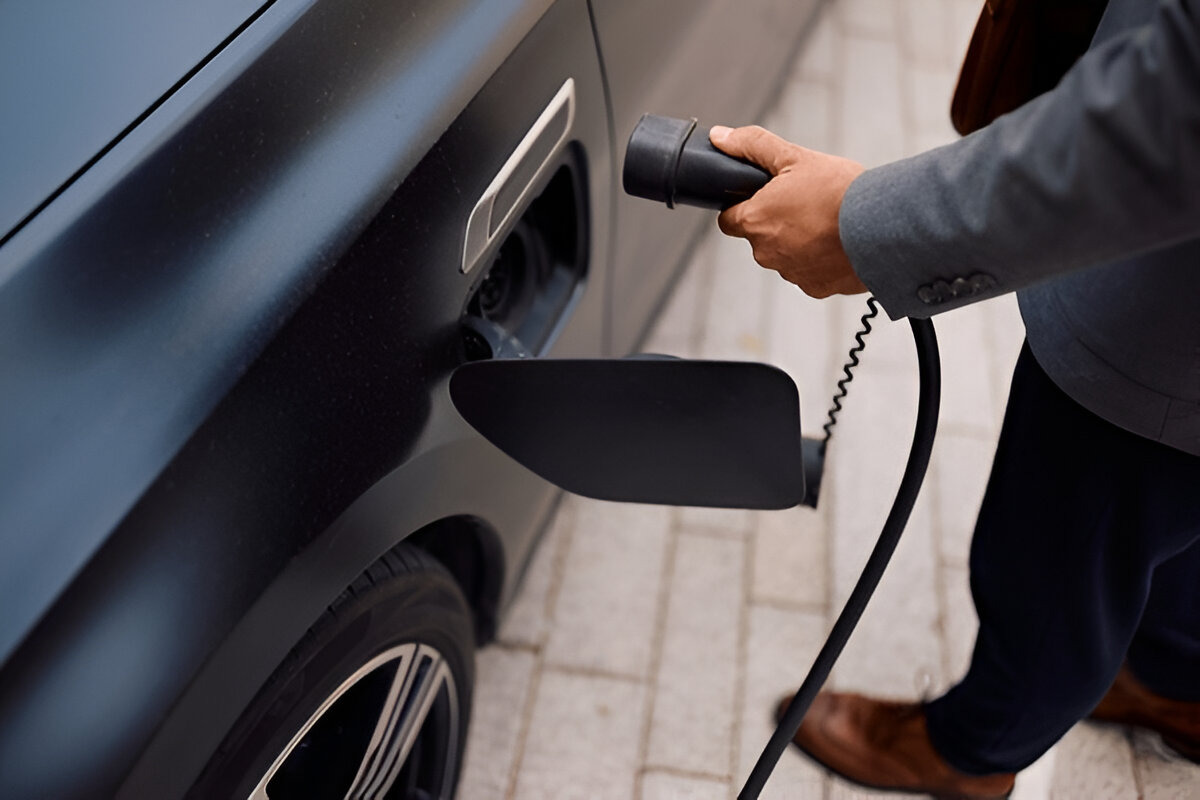
Standard EV charging only works one way: electricity flows from the grid into the vehicle battery. Bidirectional charging changes that process by allowing electricity to flow both ways.
There are several forms of bidirectional charging technology currently being developed and expanded throughout the U.S.
Vehicle-to-Load (V2L)
Vehicle-to-Load systems allow EV owners to plug appliances or tools directly into the vehicle. This feature is commonly used for camping, work sites, tailgating, or emergency device charging.
Vehicle-to-Home (V2H)
Vehicle-to-Home technology allows an EV battery to power portions of a home during outages. With the proper hardware, homeowners may keep refrigerators, lights, internet equipment, and other essential systems operating when grid power goes down.
Vehicle-to-Grid (V2G)
Vehicle-to-Grid systems go one step further by sending electricity back into the utility grid. Utilities are increasingly exploring V2G programs to help reduce strain during peak demand periods.
While V2G is still developing in many areas, experts expect utility participation to grow over the next several years.
What New Energy Rules Could Affect Texas Homeowners in 2026?
As bidirectional charging becomes more common, utilities and regulators are updating policies to address safety, grid management, and energy distribution concerns.
Although statewide standards continue evolving, several important areas are already affecting homeowners in Texas.
Utility Approval Requirements
Some utility providers require homeowners to obtain approval before installing systems capable of sending electricity back into the grid. Interconnection requirements may vary depending on the utility company and the type of system being installed.
Homeowners should expect possible documentation requirements involving:
- Electrical permits
- Utility interconnection agreements
- Load calculations
- Inspection approvals
- Certified equipment verification
Smart Grid and Demand Response Programs
Utilities are increasingly interested in using EV batteries to stabilize the electrical grid during periods of high demand. Future programs may offer homeowners incentives for participating in demand-response or grid-support initiatives.
This could eventually allow EV owners to earn credits or lower electricity costs by temporarily supplying stored power back to the grid during peak usage periods.
Updated Electrical Safety Standards
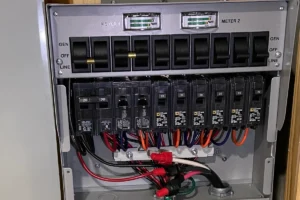
Because bidirectional charging involves transferring power back into residential electrical systems, safety requirements are more complex than traditional Level 2 charger installations.
Homeowners may need:
- Transfer switches
- Smart electrical panels
- Upgraded service panels
- Isolation systems
- Utility-approved inverters
Professional installation is critical to prevent dangerous backfeeding conditions and ensure compliance with local electrical codes.
Which EVs Support Bidirectional Charging in 2026?
Not every EV currently supports bidirectional charging. Compatibility depends on both vehicle hardware and manufacturer software support.
Several automakers are leading the market in 2026.
Popular Bidirectional-Capable EVs
One of the most recognized vehicle-to-home capable EVs currently available. Ford offers integrated home backup systems designed specifically for the Lightning platform.
Tesla continues expanding its Powershare ecosystem, allowing homeowners to use stored battery energy for backup applications.
The Ioniq 5 includes strong Vehicle-to-Load functionality and limited home backup capabilities in certain configurations.
Kia is expanding bidirectional charging support through partnerships with charger manufacturers and home energy providers.
The Leaf was one of the earliest EVs to support bidirectional charging technology, although hardware availability varies by region.
According to guide to bidirectional EV charging, automakers including Ford, Tesla, GM, Hyundai, Kia, and Nissan are helping drive broader adoption of bidirectional systems throughout the U.S.
What Equipment Does a Texas Home Need?
Installing a bidirectional charging system is significantly more complex than installing a standard EV charger.
A complete setup may include:
- A compatible EV
- A bidirectional charger
- A home integration system
- Transfer switches
- Smart electrical controls
- Updated electrical panels
- Utility-approved safety equipment
Because every home’s electrical system is different, installation requirements can vary substantially depending on:
- Existing panel capacity
- Solar integration
- Utility requirements
- Backup power goals
- Charger location
- Home energy usage
In some cases, homeowners may also need service upgrades to accommodate higher electrical loads.
Can Bidirectional Charging Work With Solar?
Yes. In fact, many energy experts believe solar and bidirectional EV charging will become increasingly connected over the next several years.
When paired with rooftop solar, a compatible EV battery can help homeowners:
- Store excess daytime solar production
- Use stored energy during outages
- Reduce peak electricity usage
- Improve overall energy efficiency
Instead of sending unused solar energy back to the grid, homeowners may eventually use EV batteries as temporary storage systems for nighttime household consumption.
This combination is especially appealing in Texas, where abundant sunlight and high summer electricity demand often create opportunities for energy optimization.
What Are the Biggest Challenges Right Now?
Despite growing excitement around bidirectional charging, several limitations still exist in 2026.
High Installation Costs
Bidirectional charging systems remain more expensive than traditional EV charger installations because they require advanced electrical hardware and additional safety protections.
Limited Compatibility
Not all EVs, chargers, and utility systems work together. Many manufacturers still use proprietary systems that limit interoperability.
Utility Restrictions
Some utilities continue testing bidirectional programs through pilot projects rather than fully open residential programs.
Evolving Industry Standards
Industry-wide charging standards continue changing, which may affect long-term compatibility between vehicles, chargers, and home energy systems.
Because the market is evolving quickly, homeowners should work with experienced EV charging professionals familiar with current utility requirements and manufacturer specifications.
Frequently Asked Questions
Can an EV power an entire house?
Some EVs can power portions of a home during outages, but full-home backup capability depends on the vehicle, battery size, and installed equipment.
Do I need solar panels for bidirectional charging?
No. Solar is not required, although many homeowners combine the two systems for greater energy independence.
Is bidirectional charging legal in Texas?
Yes, but utility approval and electrical code compliance may be required depending on the system configuration.
Will bidirectional charging damage my EV battery?
Manufacturers design compatible systems to manage battery usage safely, though battery cycling may still affect long-term degradation over time.
How expensive is installation?
Costs vary significantly depending on the vehicle, charger type, electrical upgrades, and utility requirements.
Bidirectional charging is quickly moving from emerging technology to practical residential energy solution. As Texas utilities modernize grid systems and automakers continue expanding compatibility, homeowners may soon have far more control over how they store, use, and share electricity.