


Key Takeaways
- Portable generators keep only the essential appliances running.
- Most units range from 3,000 to 12,000 watts
- Refrigerators, lights, fans, and small devices are usually manageable
- Central air conditioning and large electric appliances are typically out of range
- Load management is critical to avoid overload and shutdown
- Dual-fuel generators offer flexibility during longer outages
More frequent and longer power outages are a pain. Unfortunately, the Texas summer means suffering through some pretty uncomfy temperatures – and when the colling system is off, it can be ubearable.
As it gets hotter, a portable generator will keep the essentials running indoors. But more importantly, keep you sane through the chaos.
Choosing the right generator starts with knowing your unique power needs.
So, what can these devices realistically handle?
What Is a Portable Generator?
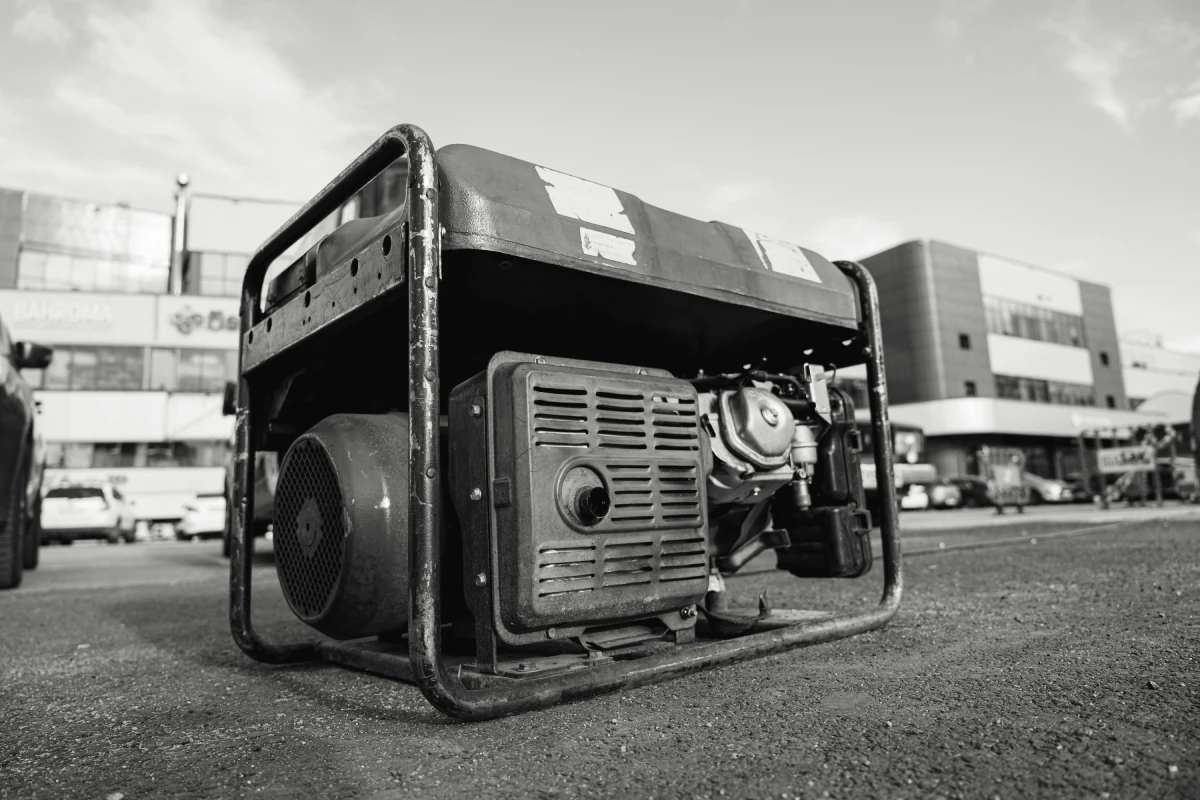
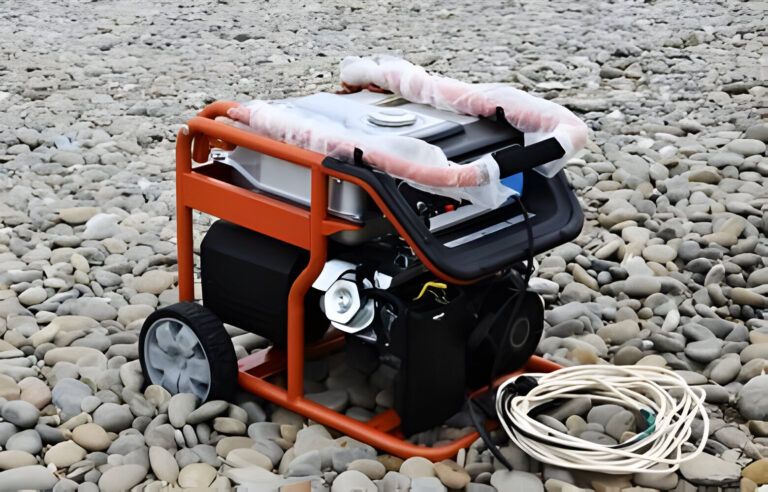
Basically, a generator is a fuel-powered unit. Most run on gasoline and propane. There are a few models that can use both.
Your generator connects to appliances through extension cords or a transfer switch. Unlike standby systems, portable generators don’t turn on automatically. They also produce less power. Meaning that you won’t get the experience of running everything in your home. But if you choose the right one for your electrical needs, you can come pretty close to being comfortable.
Types of Portable Generators
Inverter Generators
Inverter generators produce clean, stable power. They are suitable for electronics and also quieter and more fuel-efficient than other options.
Most fall in the 1,000 to 4,000-watt range. That limits them to simply powering small appliances.
Conventional Generators
Conventional generators are the most common choice for home backup. They deliver more power and easily handle multiple essential appliances simultaneously.
Most range from 3,000 to over 10,000 watts. That’s enough for refrigerators, lights, fans, and a few additional items.
They’re louder and less fuel-efficient than inverter models, but the higher output is more practical during longer outages.
Dual-Fuel Generators
Dual-fuel generators alternate between gasoline and propane.
They range from 4,000 to 12,000 watts, similar to the more conventional models but with a lot more flexibility. Propane stores longer. It also burns cleaner. Gasoline is easier to get quickly acquire.
What Common Appliances Use
- Refrigerator: 600–800 watts
- Light bulb: ~60 watts
- Fan: 75–100 watts
- Microwave or coffee maker: 800–1,200 watts
Startup power is also an important consideration. Appliances with motors draw extra wattage when turning on, which can overload a generator even if the running load seems fine.
Why do I need a generator in Texas?
Heat Waves
You live here. You know it can get hot-hot-hot. Without cooling, temperatures indoor can become unsafe quickly.
Focus on cooling just a single room. Even without central AC, fans or a small cooling unit can make that space livable.
Storms and Grid Failures
Outages often follow storms, or a higher grid demand. Preparation makes a noticeable difference.
Test your generator, keep fuel ready, and know exactly what you’ll run. Figuring it out during an outage wastes time and limits your options.
Smart Workarounds
Use a Window AC Unit
A window or portable AC unit uses far less power than a central air unit and can cool a single room effectively.
Prioritize What is most urgent/important
- Refrigerator
- Cooling (fans or small AC)
- Lights
- Communication devices
Anything beyond that is optional.
Manage Your Load
Rotate appliances as you need them, run the microwave briefly, then turn it off before powering something else.
Staying within your generator’s limits prevents extending runtime.
Safety Basics
Outdoor Use
Always run your portable generator outdoors, at least 20 feet from your home. Always have the exhaust directed away from doors and windows.
Never use one indoors or in a garage.
Carbon Monoxide Risks
Generators produce carbon monoxide. The wrong placement can cause exposure within minutes.
Install carbon monoxide detectors for added protection.
Transfer Switches
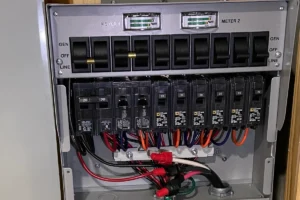
A transfer switch connects your generator safely to your home’s electrical system. It prevents back-feeding and makes it easier to control which devices are powered.
Invest in a professional installation.
Consider a Standby Generator
Portable generators are a practical way to get through Texas summer outages, as long as you research their limits. With the right setup and plan, you can keep your home functional and comfortable when the power goes out.
Looking into backup power is a smart move. For those on a budget, a portable generator keeps essentials powered if the grid goes down.
Give W3 a call at 972-793-0733 or schedule a service call online.
Frequently Asked Questions
How big of a portable generator does my home require?
Most homeowners need at least 5,000–7,500 watts to cover essentials like a fridge, lights, and fans. Smaller units work for minimal needs.
Could a portable generator run my central air conditioning?
Probably not. Central AC systems require too much startup power for portable generators.
What’s the best type of fuel for outages?
Dual-fuel generators are often the most practical. You can switch between gasoline and propane depending on availability.
How long can my portable generator run for?
On a full tank, they can run 8–12 hours. It depends on load and fuel type. Runtime drops when you connect more appliances.