
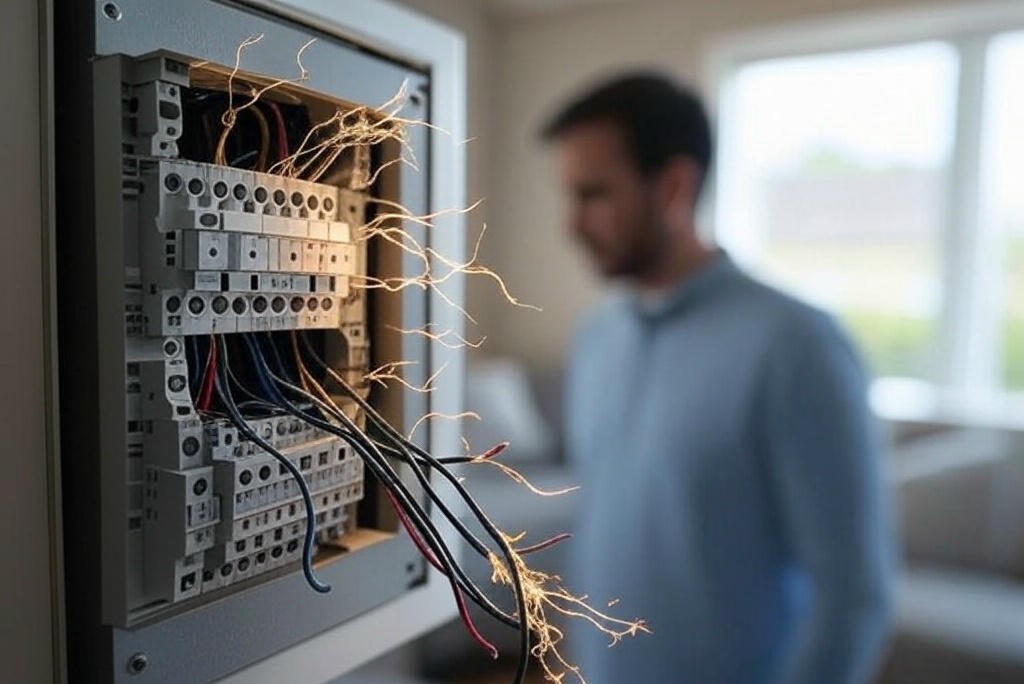

When we think about electrical hazards, most of us imagine old wiring, overloaded outlets, and outdated panels from decades past. But here’s the reality: newer homes aren’t immune. In fact, electrical issues in recently built or renovated homes can be just as dangerous—especially when things are installed quickly or by underqualified contractors.
The good news? Most problems give off warning signs. You just need to know what to look for.
Below, we’ll break down the most common signs of electrical hazards in modern homes—and what you can do to prevent a small issue from turning into a serious risk.
1. Frequently Tripped Breakers
If your circuit breakers are tripping more than once in a while, that’s a red flag. In newer homes, this could mean:
- The system wasn’t properly balanced during installation
- Too many high-demand devices are running on one circuit
- There’s a faulty appliance or short circuit in the wiring
Installing an arc detector breaker can add a layer of protection by detecting dangerous arc faults that regular breakers might miss.
2. Warm Outlets or Switches
Outlets and switches should never feel warm to the touch. If they do, it could be a sign of:
- Loose wiring
- Overloaded circuits
- Poor-quality components
This is especially important to check in high-use areas like kitchens or bathrooms. An expert can test these with an electrical tester breaker and outlet to determine if there’s a hidden issue.
3. Lights That Flicker or Dim Unexpectedly
While flickering can sometimes be a bulb issue, it may also point to deeper problems like:
- Voltage fluctuations
- Loose wiring in the switch or fixture
- An overloaded circuit, especially if it dims when large appliances kick on
If you’re noticing flickering throughout the house, your electrical panel could be overwhelmed. In that case, it might be time to upgrade electrical panel to handle your home’s growing electrical needs.
4. Strange Burning Smells or Discoloration
A faint burning smell—especially near outlets or switches—is never something to ignore. In new homes, this may result from:
- Loose connections that create heat
- Wires pinched during installation
- Defective devices or fixtures
Any signs of melting plastic or blackened outlet covers should be investigated immediately. Call for emergency electrical service if you can’t quickly identify and isolate the source.
5. Outlets That Don’t Work or Buzz
If you plug into an outlet and get no power—or worse, hear buzzing or feel a small shock—that’s a definite red flag. It may indicate:
- Improper grounding
- Faulty GFCI installation
- Damaged wires inside the wall
This is particularly concerning in areas exposed to moisture, like the kitchen, bathroom, or outside. Protect yourself with safe, modern outdoor electrical outlet upgrades that meet code and include GFCI protection.
Why Newer Homes Still Face Electrical Hazards
You might be wondering—how can a brand-new home have electrical hazards?
Here’s how it happens:
- Corners cut during fast builds
- DIY work done after move-in
- Inexperienced electricians wiring complex systems
- High demand from modern devices not accounted for in the original design
Even new materials can fail if they’re not installed properly.
Final Thoughts
Just because your home is new doesn’t mean it’s perfectly safe. Electrical hazards can show up anywhere, and newer homes sometimes hide issues behind clean walls and shiny fixtures. Knowing what to look for—and acting fast—can prevent fires, injuries, and costly repairs.
If you’ve noticed any of the signs mentioned above, don’t wait. Call a trusted residential electrician to inspect your system, catch small problems early, and keep your home safe and efficient.