

Heating Tune Up
A heating tune up is the visit that happens while your system still works. Before the first real cold front, a W3 technician inspects, cleans, and tests your furnace or heat pump, checks the safety controls you never see, and tells you plainly what is healthy, what is wearing, and what can wait. It is the simplest way to avoid discovering a problem on the first freezing night of the year.
Heating Tune Up Services
Heating Tune Up in Rowlett, TX and the Dallas Metroplex
Heating equipment in North Texas lives an odd life. It sits idle through a long summer, often in an attic that can pass 130 degrees on a July afternoon, then is expected to start on the first cold morning and run hard whenever a front pushes through. Our winters are mostly mild, which makes it easy to forget the furnace or heat pump is there at all. That is exactly why wear goes unnoticed: nothing asks the system to work while its parts are quietly aging.
W3 Electric Heating & A/C tunes up furnaces and heat pumps for homeowners in Rowlett, Rockwall, McKinney, Garland, Wylie, Forney, and across the Dallas area. Because we hold licenses for both HVAC and electrical work, our tune up does not stop at the burners and the refrigerant. We also look at the wiring, the control board, the disconnect, and the circuits feeding the equipment, which is where a good share of winter failures begin.
What Is a Heating Tune Up?
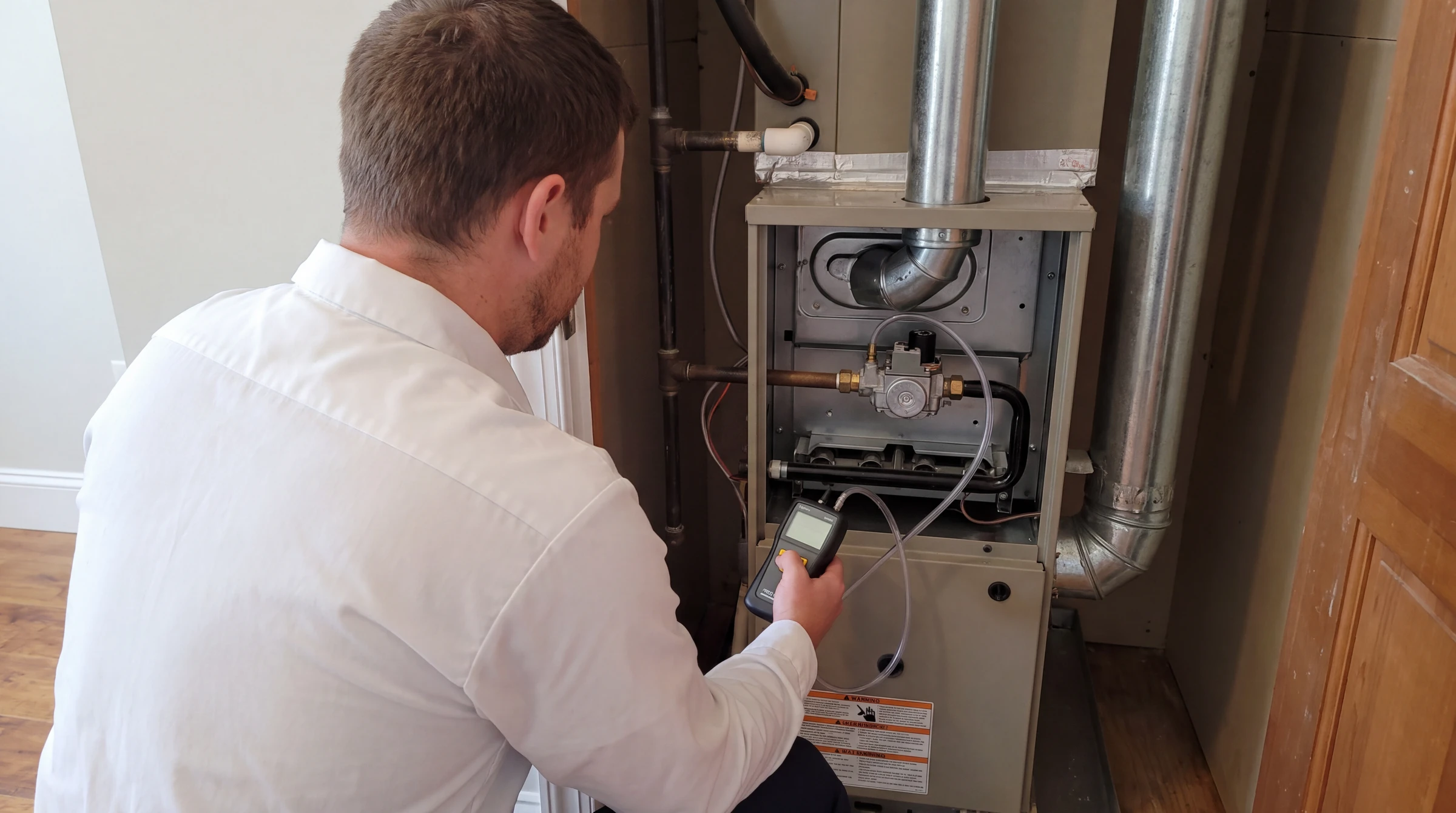
A heating tune up is a once-a-year visit to inspect, clean, and safety-test a furnace or heat pump that is still running normally. The technician watches how the system starts, heats, moves air, and shuts itself down, compares the readings to what the manufacturer specifies, and cleans the parts that lose performance as dust builds up. You come away knowing the condition of your equipment before you need it, not after.
If your home is already cold, you need heating repair rather than a tune up, because that visit exists to find and fix a fault. A tune up is preventive, and it is the core of looking after either kind of system. Our furnace maintenance and heat pump maintenance pages explain how that care fits into the life of each one.
What We Check During a Heating Tune Up
The checklist depends on what heats your home. Plenty of North Texas houses have a gas furnace, plenty have a heat pump, and some have both working together, so the visit covers the parts you actually have.
On a Gas Furnace
We inspect and clean the burners, check the hot surface igniter for cracks and wear, and clean and test the flame sensor. We inspect the heat exchanger as far as it can be seen for cracks, rust, or signs of overheating, confirm the vent pipe is intact and connected all the way out, and measure gas pressure against the specification for the unit. The high limit, rollout, and pressure switches are tested so we know they would shut the furnace down if needed. On high-efficiency furnaces we clear the condensate drain and trap, and on every furnace we check for carbon monoxide.
On a Heat Pump
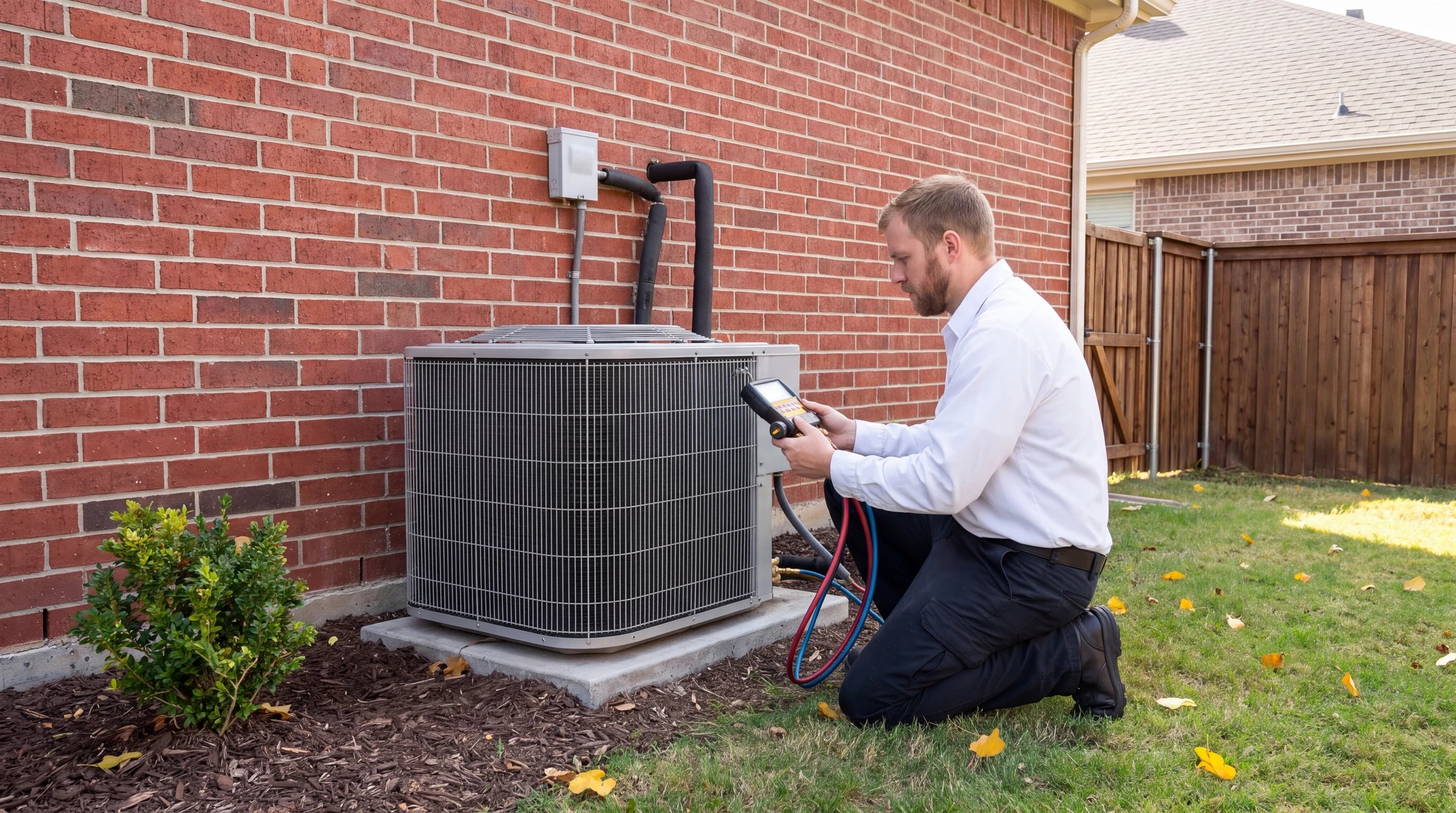
A heat pump heats and cools with the same equipment, so a heating tune up concentrates on the parts that matter in winter. We run the system through a defrost cycle to confirm the outdoor coil clears itself, and check that the reversing valve shifts cleanly between heating and cooling. We confirm the refrigerant charge is right for the conditions, clean the outdoor coil, and test each backup heat strip so a failed one does not stay hidden until the coldest night. We also make sure the thermostat brings on backup heat only when it should.
On Every System
Some checks apply no matter what heats your home. We inspect the blower wheel, cleaning it where needed, and test the blower motor and its capacitor, since that fan moves every bit of warm air through the house. We tighten electrical connections, which loosen as equipment heats and cools, and look over the control board and wiring for scorching or wear. We check that the air filter is clean, the right size, and properly seated, then test the thermostat to confirm it reads the room accurately and is set up correctly for your equipment.
Why a Pre-Season Tune Up Matters
Safety Problems Do Not Announce Themselves
A gas furnace burns fuel a few feet from your living space, and the parts that keep combustion gases out of your home cannot be judged by how warm the air feels. A damaged heat exchanger, a vent pipe that has pulled apart in the attic, or a safety switch that no longer trips can all exist in a furnace that seems to run perfectly. A tune up is the one time each year someone looks for those problems on purpose. It does not replace carbon monoxide alarms, which every home with gas appliances should have, but it can catch the faults they exist to warn you about.
Fewer Breakdowns When the First Front Arrives
Heating parts rarely fail without warning. An igniter grows brittle over several seasons, a blower capacitor loses strength in the summer attic heat, and a heat pump contactor pits a little more with every cycle. The first sustained cold front is when those parts are finally pushed past their limit, and it is also the week every heating company in the Metroplex is at its busiest. Finding a worn part in October means replacing it on your schedule. Finding it in January usually means a cold house and a wait.
Efficiency, Warranty Terms, and Equipment Life
A dirty blower wheel, a clogged filter, or a burner that is not firing cleanly all make the system run longer for the same warmth, and on a heat pump, a defrost problem or a refrigerant charge that has drifted pushes more of the load onto costly backup heat. Cleaning and adjusting those parts keeps your bills closer to what the equipment was built to deliver. Many manufacturers also expect yearly professional maintenance under their warranty terms, so check your paperwork and keep a record of each visit. Equipment that is looked after every year also tends to last longer.
When Should You Schedule a Heating Tune Up?
Before the First Hard Front
For most homes in the Dallas area, the best window is September through early November. Heating has barely been needed yet, appointments are easier to get, and any part we find wearing can be replaced before the first hard front sends overnight temperatures toward freezing. A tune up after the heat is already running every night still has value, but by then you are booking alongside everyone else.
If you have a heat pump, it works all year, heating in winter and cooling in summer. Plan on two visits: an AC tune up in the spring and a heating tune up in the fall, so each season starts with the parts it depends on checked.
When Not to Wait for a Tune Up
Some symptoms mean the system needs attention now, whatever the calendar says. Any of these is worth a call:
- A burning or dusty smell that hangs around long after the first heating cycle of the year
- Burner flames that look mostly yellow or ragged rather than steady and blue, if your furnace has a viewing window
- A furnace that lights, shuts off within a minute or two, and then tries again
- Soot or scorch marks around the furnace cabinet or the vent pipe
- A heat pump outdoor unit that stays caked in ice instead of clearing on its own
- An auxiliary or emergency heat indicator that stays on during mild weather
- Banging, squealing, or rattling that was not there last winter
- A gas or electric bill well above what you paid in a similar month last winter
If a carbon monoxide alarm sounds or you smell gas, do not wait for any appointment. Get everyone outside first, then call 911, or your gas utility for a gas smell. Our emergency heating repair page covers what to do next.
Choose W3 for Your Heating Tune Up
A tune up is only worth having if the person doing it is honest about what they find. W3 Electric Heating & A/C was founded in 2019 by a husband and wife team, and every technician we send is trained to act as a consultant, not a salesman. If your furnace or heat pump is in good shape, we will tell you so and leave it at that.
Your technician will arrive in uniform, protect your floors, and walk you through what was checked and what the readings showed. If something does need repair, you will get a clear explanation and a price before any work starts, along with an honest view of whether it is urgent or can safely wait. There is no pressure and no list of extras you did not ask about.
For more information on our services or to schedule an appointment, contact us online or give us a call today at (972) 793-0733. A fall tune up is the easiest way to start winter knowing your heat will be there when you need it.
Our Awards &
Partnerships








Check Out Our
5-Star Reviews
“All of the staff was very friendly and professional. I work in real estate and deal with a lot of trade professionals.”

- Paul G.
“GREAT AS GREAT A GREAT CAN BE”
- Heather C.
“All of the staff was very friendly and professional. I work in real estate and deal with a lot of trade professionals.”
- Dan S.
“Customer service is amazing. Jose has a outgoing personality, is very knowledgeable and great to work with.”
- Janet T.
“My technician, Jordan, was knowledgeable about required services and W3's packages to better aid me in making informed decisions about our house/what to prioritize.”
- Hannah R.
“He did an excellent job and exceeded my expectations. Thank you so much Cody!”
- Thelma M.
“SO friendly and responsive. Just a great experience.”
- Kay C.
“All of the staff was very friendly and professional. I work in real estate and deal with a lot of trade professionals.”
- Robert K.

Safety
Our neighbor's deserve to be safe and we will make it our mission to ensure their safety.

Honesty
We are not salesmen; we are trusted consultants here to guide our neighbors to optimal safety.

Community
Our community, which is comprised of our cherished customers, dedicated employees, and all the wonderful people we engage with daily, is at the heart of everything we do. We are not just a business but a part of your community, and we strive to make it a better place through our services.