



Key takeaways:
- Cold weather and winter storms can bring widespread power outages in Texas.
- A generator is the best way to keep essential services running during an outage.
- Home generator installation in McKinney is more affordable than you might think.
- Read on to learn more about portable generators and whole-home generators in McKinney, TX.
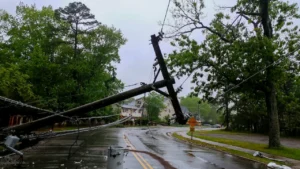
Texas winters can bring a combination of ice and wind that causes grid failures at both local and broader levels. In 2021, severe winter storms left millions in the dark, including homes and businesses in McKinney.
This kind of extreme weather could happen again. Even though ERCOT is working on modernizing the grid, it’s best to prepare for future outages.
Getting backup power in McKinney, TX, is more accessible than you might think. Here are your options.
Why Texas Winter Power Outages Are a Bigger Risk Than You Think
If you lived through the 2021 outage, you know how inconvenient and costly severe winter weather can be.
A power outage in the middle of winter can leave you with no heat, since even gas furnaces need electricity to start. Without heat, your options are to stay home and bundle up or spend money on a hotel. Either way, you’re taking the risk of having your plumbing pipes freeze due to the cold, which can lead to costly repairs.
And if the outage extends to all of McKinney and surrounding cities, it could take days to fix, and finding somewhere warm to go can be tough.
Your Backup Power Options in McKinney: Portable Generators vs. Whole-Home Standby Systems
When the power goes out, a generator can keep essential services running. There are two main options to consider.
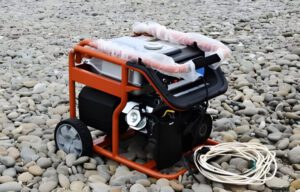
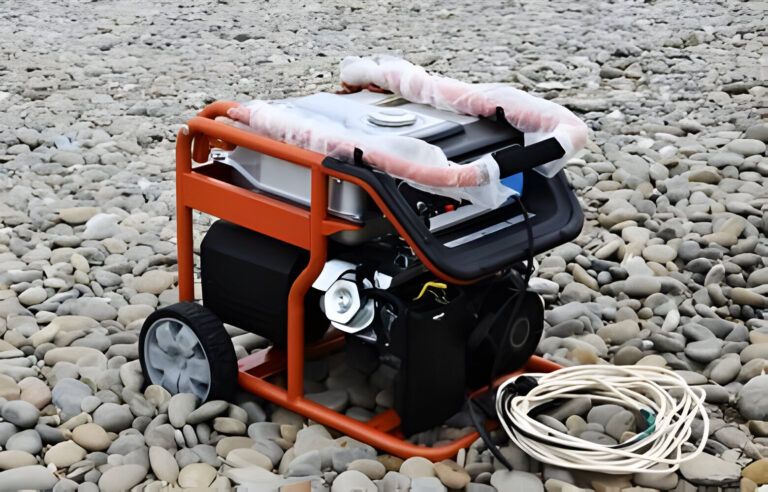
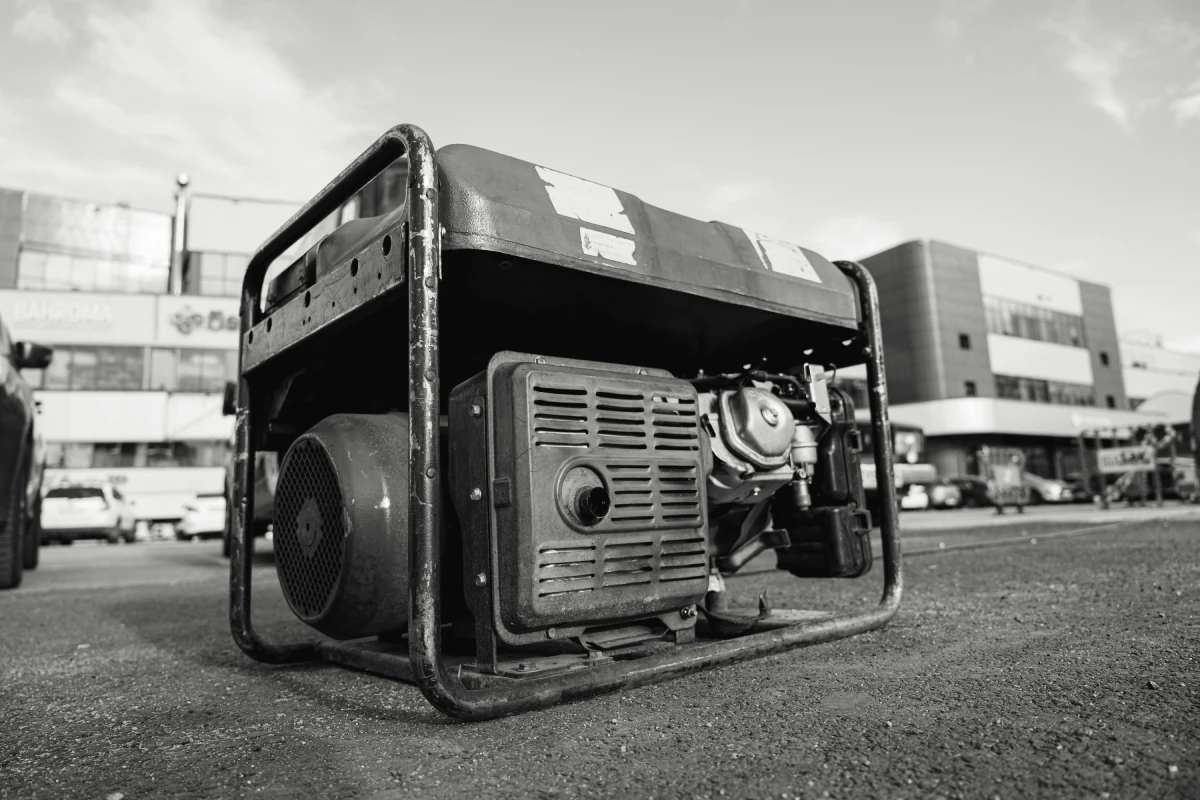
Portable Generators
Portable generators are budget-friendly, and you don’t need a pro to set them up. There are a few safety rules to follow since they run on fuel and release carbon monoxide (so don’t operate them indoors and store the fuel properly).
What you can power depends on the generator’s capacity:
- Small models can typically produce 1,000 to 3,000 watts. It’s enough to charge your electronics or cook a frozen meal in the microwave.
- Heavy-duty models can exceed 7,000 watts. They’re great for powering medical equipment or running a space heater for a while.
Portable generators are good for targeted use cases and small budgets, but you’re limited in what you can power at once. Plus, you can only run your generator as long as you have more fuel to add to the tank.
Whole-Home Standby Generators
Whole-home standby generators come with a higher upfront cost, but they’re a much more reliable backup power solution for your McKinney home.
These generators integrate with your power infrastructure. Instead of you plugging things into the generator, the generator sends power to your main panel and you can keep using your home’s outlets and circuits.
Standby generators can run on natural gas or propane, depending on the model you choose. You can connect this backup power solution to a fuel tank on your property or to your gas lines.
Most installations include a transfer switch that automatically connects the generator to the grid when power goes out.
With a load management system in place, you can prioritize what the generator powers. For instance, you can use it to power your furnace, fridge and stove, as well as a couple of outlets for charging your electronics. Everything else will be offline to conserve energy.
Capacity can vary, but 20 to 22 kilowatts is a common range for whole-home generators. However, you can find models with a lower or higher capacity if that’s a better match for your needs and budget.
Get a Whole-Home Generator Installed With W3 Electric
Not sure if your electrical infrastructure would be compatible with a whole-home generator? W3 Electric can do an inspection and determine what kind of upgrades might be needed to add a backup power solution.
We will also discuss your generator options and help you pick a model that makes sense for your needs. This entire process is highly customized because no two homes have the same priorities during outages.
We’ll carry out the installation, including pulling the right permits, installing the generator according to all local codes, and coordinating work with utility providers. We’ll also handle testing and inspection.
Give us a call at 972-793-0733 or fill out our online form to learn more about backup power options in McKinney.
FAQ
How can I stay safe using a portable generator in Texas?
Follow portable generator safety tips—always run it outdoors, away from windows and doors, and never in enclosed spaces to prevent carbon monoxide buildup.
What’s the best way to get backup power during a winter storm in Texas?
A whole-home standby generator offers automatic backup power during winter storms, keeping your furnace, fridge, and key circuits running without requiring manual setup.
How long does standby generator installation in Collin County take?
Most standby generator installations in Collin County take a few days, including permitting, utility coordination, and safety inspections by licensed electricians.
How can I prepare for a power outage in McKinney?
Plan ahead with emergency supplies, charge essential devices, and consider installing a generator to ensure your home stays warm and powered during outages.