

Smart doorbells and security cameras have become essential features in modern homes—offering convenience, real-time alerts, and peace of mind. But while they’re often marketed as plug-and-play, installing these devices correctly involves more than just connecting to Wi-Fi. You also need to understand their power requirements and when it might be time to call for an emergency electrical service.
Whether you’re replacing an old doorbell or installing a brand-new camera system, here’s what to know before you power up.
1. Do Smart Doorbells Need Wiring?
Many smart doorbells can work wirelessly, but a wired connection is more reliable, especially for video recording and two-way communication. If your existing wiring is outdated or can’t handle the load, you’ll need to either update it or risk connection failures.
For safe, code-compliant installations, it’s best to consult with a residential electrician who understands both low-voltage systems and smart tech requirements.
2. Voltage and Power Supply Considerations
Most wired smart doorbells and cameras require a transformer that supplies 16-24 volts of AC power. If your transformer is underpowered or missing altogether, the system may not function properly—or worse, it could cause overheating.
An electrician can test your system with an electrical tester for breaker and non energized outlet to ensure it’s safe before installation.
3. Exterior Power and Lighting Integration
If you’re installing security cameras outside, you may need access to weatherproof power sources. Many homeowners choose to combine camera installations with outdoor wall lights for better visibility and security after dark.
These lights and devices often share the same circuit, so proper load balancing is essential to avoid tripping breakers or damaging sensitive equipment.
4. When You Might Need Emergency Electrical Service
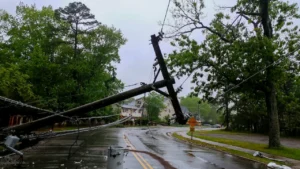
If, during installation, you encounter flickering lights, tripped breakers, or sparks—stop immediately. These could be signs of serious electrical problems. In such cases, don’t take chances—call for emergency electrical service to inspect and repair the issue safely.
Delaying electrical repairs could put your system and your safety at risk.
5. Plan for Future Tech
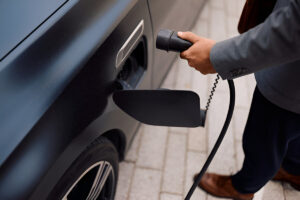
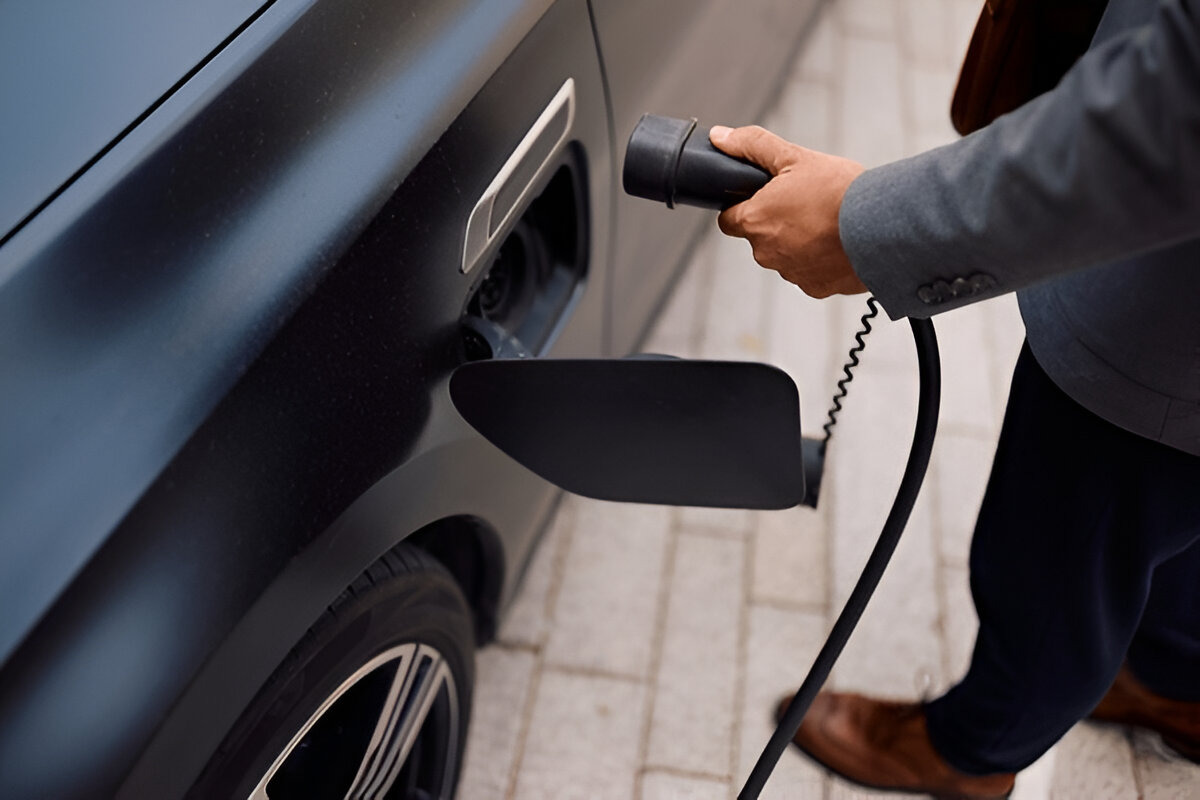
Smart homes are growing fast. If you’re planning on adding more devices—such as EV chargers, smart lighting, or home automation hubs—you may need to upgrade electrical panel to handle the increased load efficiently.
Also, make sure your meter base is up to date to support advanced monitoring or solar integration later on.
Final Thoughts
Smart doorbells and cameras are more than just security upgrades—they’re part of your home’s evolving electrical ecosystem. By understanding the power requirements and knowing when to call for emergency electrical service, you can ensure your installations are safe, reliable, and future-proof.
Whether you’re a DIYer or prefer professional help, don’t overlook the electrical side of smart tech—it’s the foundation that keeps everything working.